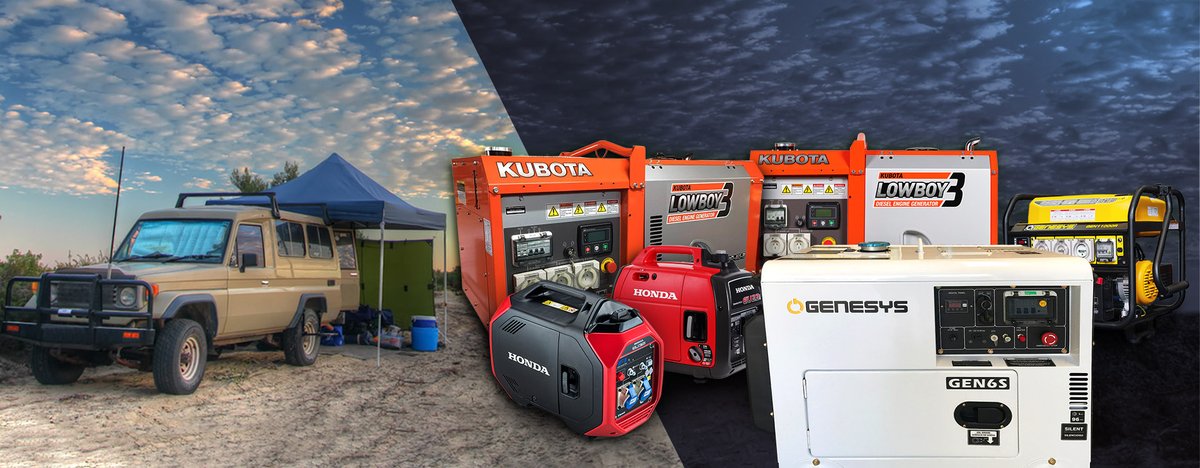
When the lights go out, whether it's a sudden storm, a planned outage, or an adventure off the grid, having a reliable power source can be a game-changer. For many, the answer lies in portable generators – versatile machines designed to bring power where and when you need it most. But with so many options, from roaring gas engines to silent solar stations, finding the Best Portable Generators for Every Need can feel like a daunting task.
Consider this your definitive, no-nonsense guide. We’ll cut through the jargon, demystify the specs, and empower you to pick a generator that keeps your essential devices humming, your fridge cold, and your peace of mind intact.
At a Glance: Your Generator Checklist
Before diving deep, here’s a quick rundown of what to keep in mind:
- Wattage is King: Match the generator's running watts to your total appliance needs. When in doubt, size up.
- Fuel Your Choice: Gasoline, dual-fuel (gas/propane), or solar/electric? Each has pros and cons for power, safety, and runtime.
- Silence is Golden (Sometimes): Inverter and closed-frame models are significantly quieter, a big plus for neighbors and your sanity.
- Safety First: Carbon monoxide (CO) shutoff is non-negotiable. Always operate fuel-based generators outdoors.
- Sensitive Electronics: If you're plugging in laptops, TVs, or medical devices, an inverter generator is a must for "clean" power.
- Portability: From under 10 lbs for power stations to over 200 lbs for whole-house backup, consider how and where you'll move it.
- Budget: Prices range from a few hundred dollars for basic models to over a thousand for high-end, feature-packed units.
Why a Portable Generator? Beyond Just Keeping the Lights On
The primary purpose of a portable generator is simple: provide backup power. Whether it’s a thunderstorm knocking out the grid, a hurricane demanding resilience, or just a weekend camping trip requiring a bit of extra juice, these machines are indispensable. They bridge the gap between complete blackout and normalcy, powering everything from essential medical equipment to your morning coffee maker.
While permanent standby generators start at around $4,000 and require professional installation, portable generators offer a more flexible and budget-friendly solution, typically ranging from $200 for basic models to $800-$1,500 for robust units. Don't forget, the generator itself is just one cost. You'll also want to budget for quality extension cords, a protective cover, fuel cans, and, if you plan to connect it to your home's electrical panel, an electrician’s installation fee for a transfer switch.
At its core, a generator is an engine. It burns fuel to spin an alternator, which then generates electricity that you can access through various outlets. Simple in concept, powerful in execution.
Decoding Generator Jargon: Watts, Decibels, and More
Understanding a few key terms will empower you to make an informed decision:
- Wattage: This is the most crucial spec, indicating how much power a generator can produce.
- Running Watts: The continuous, consistent power output once the generator is running. This is your baseline for what you can power steadily. Most gas models offer 4,000-10,000 running watts, while solar/electric models typically provide 1,000-2,000 watts.
- Starting Watts (also Peak or Surge Watts): The brief, higher burst of power many appliances (like refrigerators, air conditioners, or power tools) need for a split second when they first kick on. Always factor this into your calculations.
- Decibels (dB): The unit for measuring noise. To give you a reference, an average conversation is about 60 dB. Many gas generators can be as loud as a vacuum cleaner or even a lawnmower (70-100 dB). Quieter models (like inverters) typically operate around 50-60 dB.
- Fuel Tank Size: Measured in gallons, a larger tank means longer runtime before you need to refuel.
- Runtime: How long the generator can operate on a full tank of fuel at a specific load (often measured at 25% load).
Find Your Perfect Match: Types of Portable Generators Explained
Not all portable generators are created equal. Your needs, priorities, and budget will guide you toward the right type.
Gasoline Generators: The Traditional Workhorses
- Pros: Generally the most powerful and often the most affordable per watt. Great for heavy-duty tasks or powering a substantial number of home appliances.
- Cons: Loud (70-100 dB is common), heavy, and present inherent risks (carbon monoxide poisoning, fire). Gasoline also has a limited shelf life and requires careful storage.
Solar/Electric Generators (Portable Power Stations): The Quiet, Eco-Friendly Choice
These are essentially large, high-capacity battery packs.
- Pros: Lightweight (often under 10 lbs), whisper-quiet (around 60 dB, like a soft conversation), produce zero emissions, and are safe for indoor use. They can be recharged via solar panels, wall outlets, or car adapters, making them very versatile for lighter needs like charging phones, laptops, and running small appliances.
- Cons: Significantly less powerful than fuel-based generators (usually 1,000-2,000 watts) and offer less overall runtime and power for the price.
Dual-Fuel Generators: The Best of Both Worlds
- Pros: Offer incredible flexibility, running on either gasoline or liquid petroleum gas (LPG/propane). Propane stores indefinitely, unlike gasoline, which is a major advantage for emergency preparedness.
- Cons: Typically cost $100-$200 more than gas-only models. You'll also note a slight reduction in wattage when running on propane (gas usually provides 400-700 more watts).
Inverter Generators: Clean Power for Sensitive Tech
- Pros: A true game-changer. They convert AC power to DC and then back to a much "cleaner" AC power. This pure sine wave output is safe for sensitive electronics like laptops, TVs, and even furnace control boards, preventing damage. They're also significantly quieter, more fuel-efficient (often with an "eco mode"), and some can be linked with a parallel kit to double wattage.
- Cons: Add hundreds to the overall cost. However, for anyone powering modern electronics, the investment is well worth it.
Closed-Frame Generators: Keeping the Noise Down
- Pros: These generators enclose the engine, often with an insulated shell, specifically to reduce noise levels. Many inverter generators feature a closed-frame design.
- Cons: Can be heavier and more expensive than open-frame counterparts.
Sizing Up Your Needs: How Much Power Do You Really Need?
This is where many people underestimate. The key is to list everything you might need to power simultaneously, then add up their running and starting watts.
- The Calculation:
- List all essential appliances (fridge, freezer, specific lights, phone chargers, medical devices, furnace fan, well pump, etc.).
- Find the running watts for each.
- Identify the appliance with the highest starting watts.
- Add up all the running watts.
- Add the highest starting watts to your total running watts (but only once, for the largest surge demand). This gives you your total minimum needed starting watts.
- General Wattage Tiers:
- Under 3,000 Running Watts: Best for light-duty, truly portable needs like camping, tailgating, or powering a few small items (lights, phone, fan, small TV). Champion offers good compact options for essentials, like the Champion 201050 4000-Watt Dual Fuel Inverter Generator with 3,000 running watts, which is lightweight and great with extension cords.
- Around 4,000 Running Watts: A solid choice for general home backup, handling essentials like a refrigerator, some lights, phone charging, and maybe a microwave or a small window AC unit. The Westinghouse iGen5000DFc 3900 Watt Inverter Generator is a fantastic example in this range.
- 7,000+ Running Watts: For powering multiple major appliances, potentially including a well pump, water heater, or even a central air conditioning unit (though larger AC units might require even more). Champion’s 201175 8500 Watt Electric Start Dual Fuel Inverter Generator, with its 7,000 running watts, is a powerful choice for those needing a more comprehensive whole-house solution.
Pro Tip: Always size up! It’s better to have a little extra capacity than to be constantly juggling which appliances can run.
Essential Features to Look For (and Why They Matter)
Beyond the basic type, these features elevate a good generator to a great one. For a deeper dive into specific models and their features, you can always find top rated portable generators.
- Wattage (Re-emphasized): As we covered, this is foundational. Don't skimp here.
- Fuel Source: Consider dual-fuel for versatility and indefinite propane storage. If silent, indoor power for small devices is your priority, a solar/electric power station wins.
- Inverter Technology: Crucial for sensitive electronics and significantly quieter operation. If you have computers, smart TVs, or medical equipment, this is a must-have.
- Closed-Frame Design: Again, a major contributor to noise reduction.
- CO (Carbon Monoxide) Detection/Shutoff: This is a life-saving feature. If CO levels become dangerously high, the generator automatically shuts off. Do not buy a gas or dual-fuel generator without this.
- Noise Level: Measured in decibels (dB), look for lower numbers. Inverter and closed-frame models excel here. Remember that dB ratings are often taken at 22-25 feet with a 25% load, so real-world noise may vary.
- Portability & Size: A solar power station can be under 10 lbs with a handle. Gas generators can range from 50 lbs (compact inverters) to over 300 lbs (heavy-duty conventional models, often on wheels). Think about how you’ll move and store it.
- Number of Outlets: Look for a variety: standard wall outlets (120V), potentially 240V for larger appliances, USB ports for charging devices, and even cigarette lighter-style DC ports.
- Remote Start: Allows you to start the generator from a distance, like from inside your home – incredibly convenient during bad weather or late-night outages.
- Bluetooth App: Some high-end models, like the Honda U7000iSNAND, offer apps for real-time power monitoring, fuel levels, and even service reminders.
- CARB Compliance: Generators that meet California Air Resources Board (CARB) emission standards are cleaner-burning. This is legally required in California but beneficial for air quality everywhere.
- Manufacturer Reputation: Stick with established brands known for good warranties, reliable customer service, and readily available parts.
Safety First! Non-Negotiable Rules for Portable Generators
Portable generators are powerful tools, but they demand respect. Ignoring safety guidelines can have deadly consequences.
- Never, Ever Use Indoors: This is the most critical rule. Gasoline generators produce carbon monoxide (CO), a colorless, odorless, and deadly gas. Always operate fuel-based generators outdoors in a well-ventilated area, at least 20 feet away from windows, doors, and vents. Never run one in a garage or shed, even with the door open. Store it in a garage or shed only when it's off and cooled down.
- Avoid Backfeeding Power: Do NOT plug a generator directly into a home wall outlet. This extremely dangerous practice, known as "backfeeding," can send electricity back into the utility grid, potentially electrocuting utility workers or damaging your appliances. It's often illegal.
- Install a Transfer Switch for Home Connection: If you plan to connect your generator to your home's electrical panel to power hardwired appliances, you MUST have a licensed electrician install a manual transfer switch. This safely isolates your home from the grid, preventing backfeeding and ensuring proper power distribution. Consult an electrician early in your planning process.
- Allow Cooling Before Refueling: Gasoline and hot engines are a dangerous combination. Always turn off the generator and let it cool completely before adding fuel to prevent fires.
- Maintain Fuel Supply and Storage: Keep adequate, fresh fuel on hand, stored safely in approved containers away from living areas. Consider fuel stabilizers for gasoline if storing long-term.
- Keep Dry: Water and electricity don't mix. Never operate a generator in the rain or with wet hands. Use a generator cover designed for wet weather, or bring it indoors if severe weather is expected and you're not actively using it.
- Consider a Portable Power Station for Indoor Needs: For minimal power needs, or to supplement a larger generator, battery-powered portable power stations are safe for indoor use and a great way to charge phones or run small lights inside.
Top Picks: Our Recommended Portable Generators
Based on rigorous testing and expert analysis from sources like Wirecutter and This Old House, here are some of the best portable generators on the market for various needs:
Best Overall: Westinghouse iGen5000DFc 3900 Watt Inverter Generator
- Why we like it: A fantastic all-rounder, offering a great balance of power, features, and relative quietness. Wirecutter praises its dual-fuel capability, closed-frame inverter design, CO shutoff, and remote start.
- Power: 5,000 starting watts (gas), 3,900 running watts (gas). Slightly less on propane.
- Key Features: Dual-fuel, closed-frame inverter, CO shutoff, remote start, clear LED display.
- Runtime: Up to 18 hours at 25% load on its 3.4-gallon tank.
- Noise: A very respectable 52 dB(A).
- Weight: Over 100 lbs, but includes handles for maneuverability.
- Note: Not CARB-compliant, so it's not sold in California.
Runner-up (CARB-Compliant Option): Generac iQ5200 DF 3900 Watt Dual Fuel Inverter Generator
- Why we like it: A strong competitor to the Westinghouse, especially if CARB compliance is a must.
- Power: 5,200 starting watts (gas), 3,900 running watts (gas). Slightly higher starting watts than the Westinghouse.
- Key Features: Dual-fuel, closed-frame inverter, CO detection, electric start, upward-facing readout, USB-A/USB-C ports.
- Runtime: 15 hours at 25% load.
- Note: CARB-compliant, but lacks remote start and is a newer 2025 model, so it has less long-term track record.
Upgrade Pick (Premium Power & Quiet): Honda U7000iSNAND 5500 Watt Electric Start Portable Inverter Generator
- Why we like it: If budget isn't a primary concern, Honda is renowned for reliability, quiet operation, and premium features. This model offers high power in an incredibly quiet package.
- Power: 7,000 starting watts, 5,500 running watts – enough for most major appliances.
- Key Features: Electric start, extremely quiet (52-60 dB(A)), Bluetooth app for real-time monitoring and service reminders.
- Cost: ~$4,500+ (a significant investment).
- Note: Gasoline-only (not dual-fuel) and not CARB-compliant.
Best for Smaller Needs (Lightweight & Versatile): Champion 201050 4000-Watt Dual Fuel Inverter Generator
- Why we like it: An excellent choice for essentials, camping, or light home backup. It's compact, relatively lightweight, and offers dual-fuel versatility.
- Power: 4,000 starting watts, 3,000 running watts – ideal for essentials and small appliances.
- Key Features: Dual-fuel, closed-frame inverter, CO detection.
- Runtime: 10 hours at 25% load.
- Weight: Around 50 lbs, making it very portable.
- Note: Best used with extension cords; due to lower wattage, it's not ideal for direct panel hookup.
Best for Larger Needs (Whole-House Backup): Champion 201175 8500 Watt Electric Start Dual Fuel Inverter Generator
- Why we like it: When you need serious power for most of your home, this Champion model delivers. It’s a powerful, dual-fuel inverter at a competitive price.
- Power: 8,500 starting watts, 7,000 running watts – a true whole-house solution for most items (excluding potentially very large central AC units).
- Key Features: Dual-fuel, closed-frame inverter, CO detection, electric start.
- Weight: 213 lbs – definitely large and designed for less frequent movement, but comes with wheels.
- Cost: Under $2,000.
- Note: This type of high-wattage generator is best hooked directly to your electrical panel via a transfer switch (consult an electrician!).
Beyond the Purchase: Generator Accessories & Maintenance Tips
Once you've chosen your generator, a few extras and some simple care will ensure it serves you well for years to come.
- Essential Accessories:
- Heavy-duty Extension Cords: Look for outdoor-rated, appropriately gauged cords that can handle the load.
- Generator Cover: Protects your investment from the elements.
- Fuel Stabilizer: For gasoline, this is crucial to prevent fuel breakdown and carburetor gumming during storage.
- Extra Fuel Cans: Always store fuel safely in approved containers.
- Oil: Keep the right type of oil on hand for your generator's engine.
- CO Detector: Even with built-in CO shutoff, having a battery-powered CO detector in your home is a vital backup.
- Maintenance Tips:
- Read the Manual: Seriously, it's your best friend for specific maintenance schedules.
- Regular Exercise: Run your generator under a light load for 15-30 minutes every month or two. This lubricates parts and keeps the carburetor clear.
- Oil Changes: Follow the manufacturer's recommendations.
- Fuel Management: For gas generators, run the carburetor dry before long-term storage, or use fuel stabilizer. Propane stores indefinitely.
- Spark Plugs & Air Filters: Check and replace these periodically.
The Final Spark: Making Your Choice with Confidence
Choosing the best portable generator for your needs boils down to a few core questions: What do you need to power? How portable does it need to be? How much are you willing to spend? And perhaps most importantly, how do you prioritize safety and quiet operation?
Whether you're safeguarding your home from an outage, bringing power to a remote job site, or enhancing your outdoor adventures, there's a portable generator built for you. By understanding wattage, fuel types, and essential safety features, you're now equipped to make an informed decision that will bring reliability and peace of mind when you need it most. Don't wait for the next storm; power up your preparedness today, and remember to check out options like those found when you compare top rated portable generators.